 24.7 °C

During hydrocolonotherapy, the colon is cleansed with water heated to a specific temperature, removing fecal stones, toxic gases, fermentation and decay products, heavy metal compounds, detached mucus membrane particles, and various harmful substances.
Procedures
Hydrocolonotherapy

Other procedurs
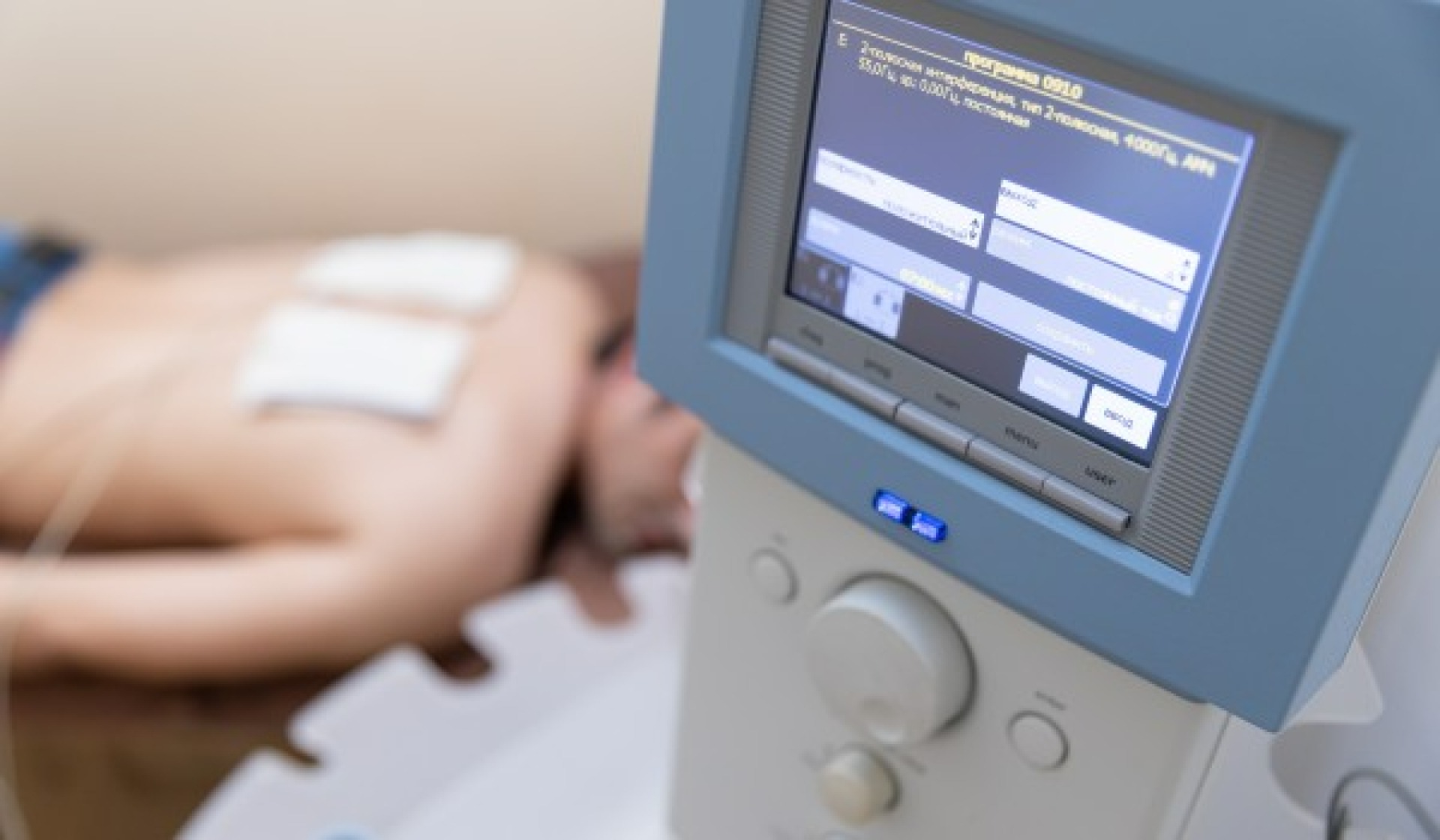
Amplipulse
Indications for the use of Amplipuls are diseases of the musculoskeletal system, muscles and nervous system accompanied by pain syndrome (radiculitis, ochteochondrosis, arthrosis, arthritis, protrusions and tears of spinal discs, trauma, neuralgia, rheumatoid diseases of various degrees of severity, as well as connective tissue diseases).osteochondrosis of any locationinfantile cerebral palsyradiculitisintervertebral hernia of any size arthritis and arthrosis of various originsnerve root compressionsspinal curvaturesatherosclerosisparalysis due to strokeneuralgiasneurosesmusculoskeletal injuriesmuscular dystrophy
See more

Climate Therapy - Acupuncture
Recent studies suggest that this method can even help cure many diseases. In traditional Chinese medicine, acupuncture is used to treat conditions such as infertility, diabetes, various pains, and migraines. Acupuncture involves inserting thin needles into specific acupoints on the body. It is widely used in China as an alternative medicine, primarily for pain relief. This healing method is a fundamental component of Chinese folk medicine.
See more

Lymphatic Drainage
Lymphatic drainage is the process of removing and absorbing lymph stagnation using special cuffs. It increases the circulation of lymph fluid and blood throughout the body, providing comprehensive treatment. Lymphatic drainage helps remove excess fluids and harmful substances from the body, restores water balance, and improves venous blood circulation. It enhances metabolic processes in the skin and subcutaneous fat layer, promotes active lipolysis to reduce body weight, and eliminates the causes of cellulite formation.Improves lymphatic system function.Prevents deep venous thrombosis.Treats and prevents chronic venous insufficiency.Treats rheumatoid arthritis.Improves blood circulation.Enhances bowel function and prevents constipation.Relieves physical tension, fatigue, and insomnia.Restores skin tone, elasticity, and smoothness.Corrects body shape.Treats "tired leg" syndrome.Enhances potency.Provides good effects during stress conditions.
See more