 22.9 °C

The Traction Method is the most convenient technique for treating compression syndromes in the spine. Its main advantage is that it can be performed at home. The traction method is effective for treating muscle spasms, reducing intradiscal pressure, and alleviating protrusions and hernias. To enhance the effect of traction, massage or physiotherapeutic methods that promote muscle relaxation can be used before the procedure.
Procedures
Traction

Other procedurs

Hydrocolonotherapy
During hydrocolonotherapy, the colon is cleansed with water heated to a specific temperature, removing fecal stones, toxic gases, fermentation and decay products, heavy metal compounds, detached mucus membrane particles, and various harmful substances.
See more

Lymphatic Drainage
Lymphatic drainage is the process of removing and absorbing lymph stagnation using special cuffs. It increases the circulation of lymph fluid and blood throughout the body, providing comprehensive treatment. Lymphatic drainage helps remove excess fluids and harmful substances from the body, restores water balance, and improves venous blood circulation. It enhances metabolic processes in the skin and subcutaneous fat layer, promotes active lipolysis to reduce body weight, and eliminates the causes of cellulite formation.Improves lymphatic system function.Prevents deep venous thrombosis.Treats and prevents chronic venous insufficiency.Treats rheumatoid arthritis.Improves blood circulation.Enhances bowel function and prevents constipation.Relieves physical tension, fatigue, and insomnia.Restores skin tone, elasticity, and smoothness.Corrects body shape.Treats "tired leg" syndrome.Enhances potency.Provides good effects during stress conditions.
See more
Super inductive magnetic therapy
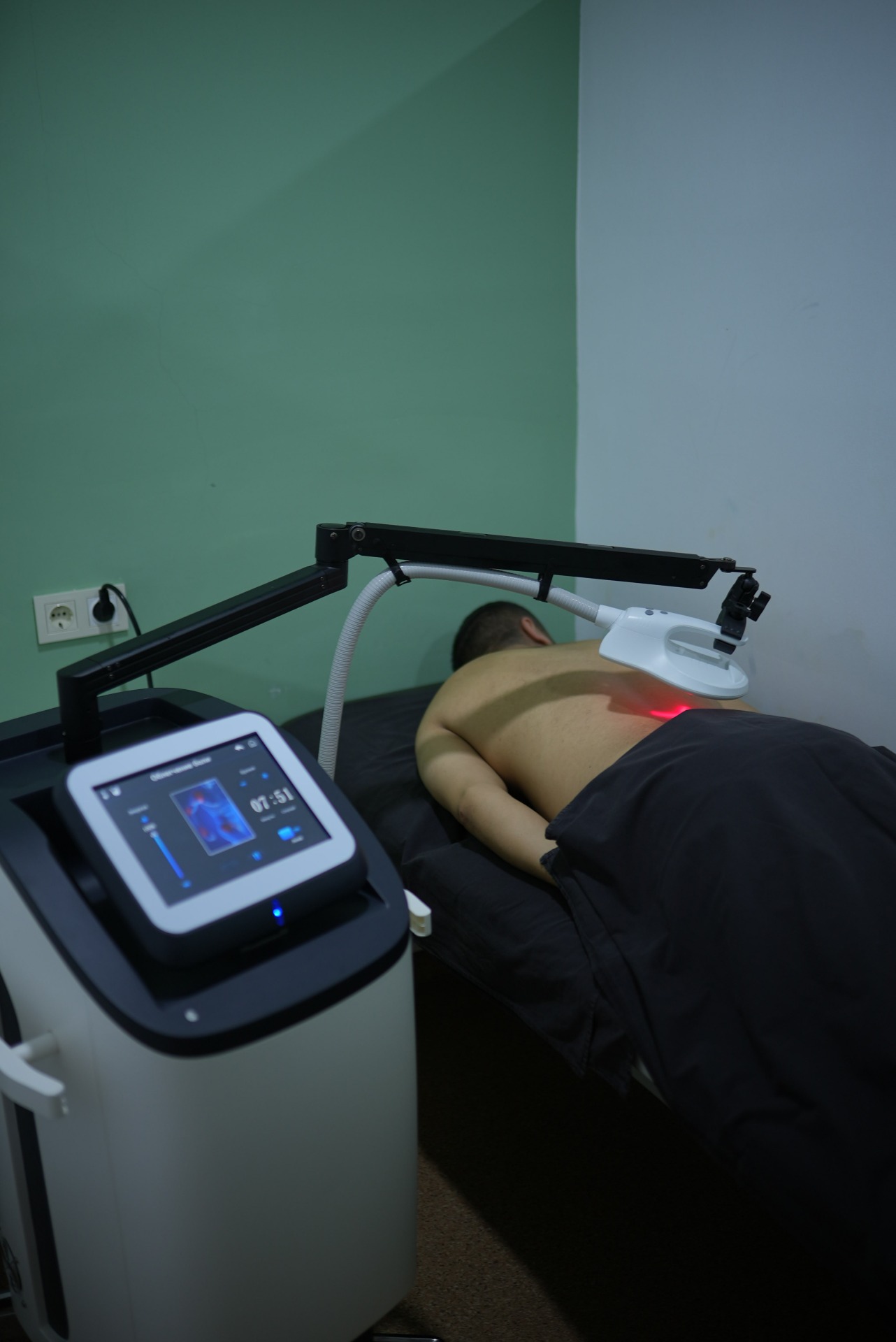
BTL presents an innovative therapy method - high-intensity magnetotherapy (SIS). This technology is based on the positive effect of a high-intensity magnetic field on the tissues of the human body. The therapeutic effects of this type of treatment include: pain relief, faster healing of fractures, relief of muscle tension and increased joint mobility.Frequency up to 150 HzPatented applicator technology8.4” color touch screen
See more